Translating the YNP Drupkhok
Translating the Yang Nying Pudri Drubkhok
«It’s entirely possible that the survival of the Buddhadharma will depend on it being translated into other languages». (Dzongsar Khyentse Rinpoche)
In celebration of the 100th anniversary of Tertön Sogyal’s passing into nirvana (or parinirvana for Buddhist practitioners) in 2026, our aspiration is to have the Yang Nying Pudri drupkhok treasure teaching translated into English.
Our deep wish is that the translated drupkhok will further enhance all the practices of Yang Nying Pudri held in the West, within Rigpa, and beyond so we may continue the lineage of this practice in the most accessible, authentic and powerful way possible.
Yang Nying Pudri, the Razor of the Innermost Essence, is a cycle of Vajrakilaya practices revealed as a terma treasure by Tertön Sogyal, the nineteenth century Tibetan yogi and mystic. It is the main yidam practice of the Rigpa sangha.
What is a «drubkhok»? A drubkhok is the instruction manual for practising the drupchen associated with the Yang Nying Pudri cycle. A drupchen literally means «great accomplishment,» and is a form of intensive group practice.
Dzongsar Khyentse Rinpoche adds: «A drubpa chenpo, a drupchen, requires all kinds of details. If there’s any drupchen happening, one must try to participate. Where there is no drupchen, one should try to organize one.»
Following the terma revelation, Tertön Sogyal traveled to Lhasa to offer the complete cycle of empowerment, transmission, and instruction of the Yang Nying Pudri teachings to the Thirteenth Dalai Lama.
His Holiness the Fourteenth Dalai Lama further explains the significance of this encounter:
«There was a very strong connection between Lerab Lingpa and the Thirteenth Dalai Lama. When this terma was revealed by Lerab Lingpa, it was prophesied to him that the Thirteenth Dalai Lama was to be the chödak, the custodian of these teachings. The task of the chödak was to receive the teachings from the tertön, and propagate them. This explains why the Thirteenth Dalai Lama composed the manual of liturgies that is used to perform the drupchen associated with the Yang Nying Pudri cycle».
It is this «manual of liturgies that is used to perform the drupchen», or drubkhok, that we wish to translate into English, so we can apply its instructions to further growing and deepening the annual YNP drupchö practices offered in Rigpa. The translation of the drubkhok text would be available to all of the Rigpa centres as a guide for further developing any practice intensives or drupchö practices held throughout the Sangha, and especially in the West.
The practice of Vajrakilaya is most famed among all Tibetan Buddhist traditions as tremendously swift and effective in removing obstacles, both at the level of the individual on the spiritual path, and for more global concerns such as our environment and the co-existence of all beings in a peaceful, harmonious world.
As fellow practitioners on the Buddhist path, we invite you to join this rare opportunity to connect directly with the very heart ♥️ of this precious practice. As a valued sponsor, you will receive an auspicious token of our appreciation, to further strengthen and deepen your connection to this lineage.

An ambitious attempt to transplant ancient Eastern wisdom to the modern Western world.
The special quality of this project is the ambition to transport ancient Eastern knowledge and wisdom, in the form of a manual of instructions, across space and time into our modern world.
Our story begins in Tibet, that mystical land of snows, in the final years of the nineteenth century. It was here on the Tibetan plateau where, for many centuries, the Buddhadharma was practiced, propagated, and protected within the natural fortress of the Himalaya.
Yang Nying Pudri was discovered in 1895 in a cave at Tsadra Rinchen Drak, one of the twenty-five holy places of east Tibet, representing ’the wisdom mind of enlightened qualities’.
After meeting the thirteenth Dalai Lama in 1898, Tertön Sogyal also gave the Yang Nying Pudri empowerment to the monks of the Namgyal Monastery in the Potala Palace, who have maintained this practice, including their time in exile in India, ever since.
His Holiness the 14th Dalai Lama and the Namgyal monks then brought this practice to the West for the very first time in the year 2000, by holding a full elaborate drupchen at Lerab Ling in France. This seminal event included the making of the mendrup, or dütsi (Tibetan spiritual medicine) we are offering as a reward to our valued sponsors. Considering this connection, this crowdfunding may be thought of as yet another auspicious flowering of the seeds planted by His Holiness and the Namgyal monks all those years ago.
In taking a brief moment to appreciate the history of this practice, our main aspiration is to present an initiative that condenses the special qualities of honouring the lineage of the past, celebrating this teaching still being available in its authentic form in the present, and bestows a responsibility to pass this practice onto future generations of YNP practitioners.
Accomplishing an enormous task
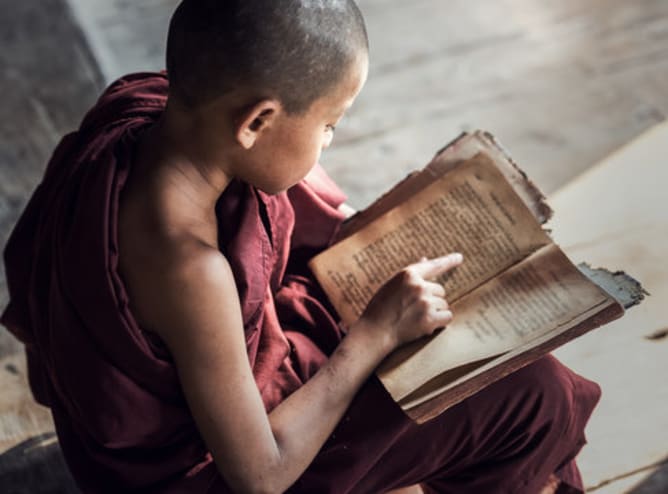
The funds will be allocated to a qualified and experienced Tibetan-English translator (or team of translators). These experts in their field have proven track records of high quality and accurate translations of Tibetan spiritual texts into modern European languages (for samples of their work to date, please see lotsawahouse.org or longchennyingtik.org).
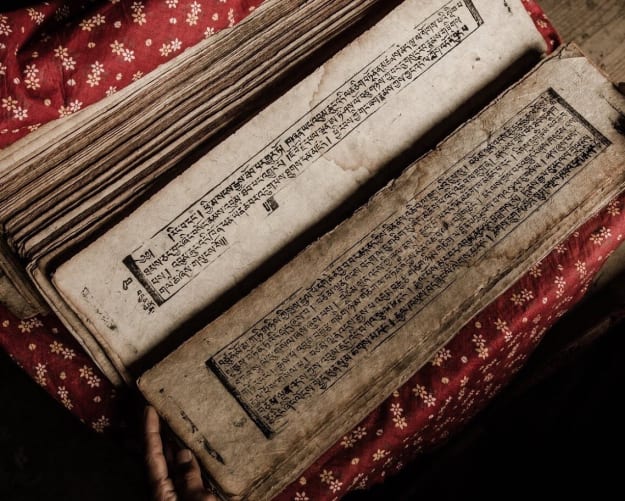
The Yang Nying Pudri drubkhok is an immense treasure. It consists of over 1,000 pages of pecha, those rectangular leaves upon which sacred texts were printed using hand-carved wooden blocks, long before the advent of modern printing methods. Inspired by the past efforts made by countless beings to first produce, and then preserve this piece of wisdom heritage, we feel it is upon us to engage in a similar endeavour now. We also feel that our goals and aspirations need to be equally ambitious, and on an appropriate scale, so any obstacles to Yang Nying Pudri continuing to be available to modern practitioners may be swiftly dispelled.